

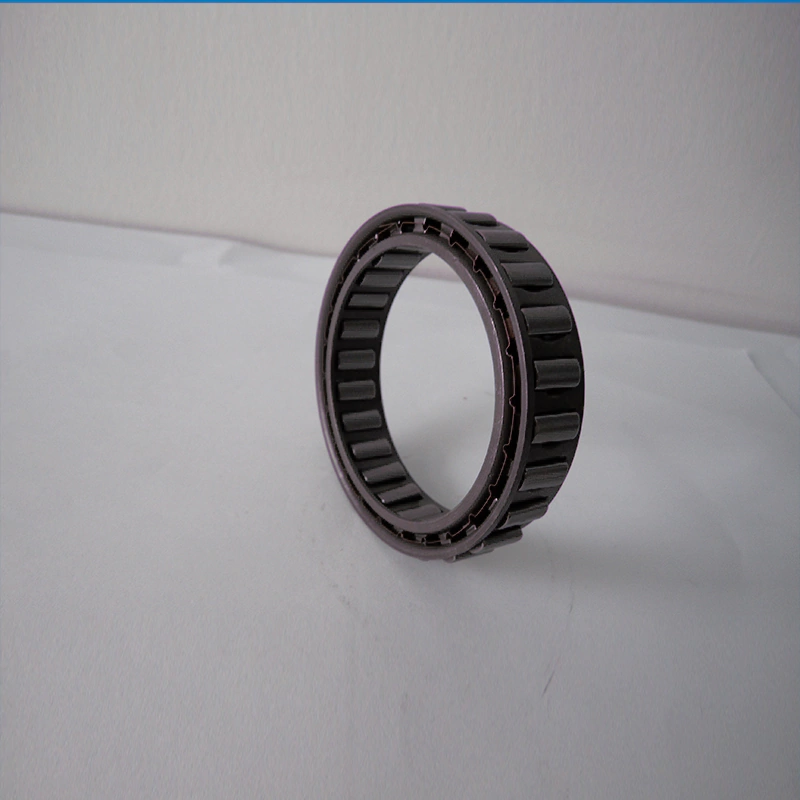
Optimizing Indexing Precision in Heavy Machinery with Sprag Freewheels
Are you facing erratic feed patterns, micro-positioning drift, or severe mechanical vibration in your high-speed packaging, printing, or textile automation lines?
Industrial indexing demands extreme precision—often requiring the machinery to execute millions of micro-start and micro-stop cycles every single day. In these high-frequency environments, the one-way clutch is subjected to relentless inertial shock forces. Standard aftermarket clutches frequently suffer from internal cam lag or cage deformation under continuous duty. When a clutch fails to engage within the exact designated millisecond, it causes material misalignment, high scrap rates, and costly manufacturing downtime.
This technical guide demonstrates how integrating specialized synchronized double-cage industrial sprag freewheels guarantees zero-backlash indexing precision and safeguards your automated production lines.
Quick Answer
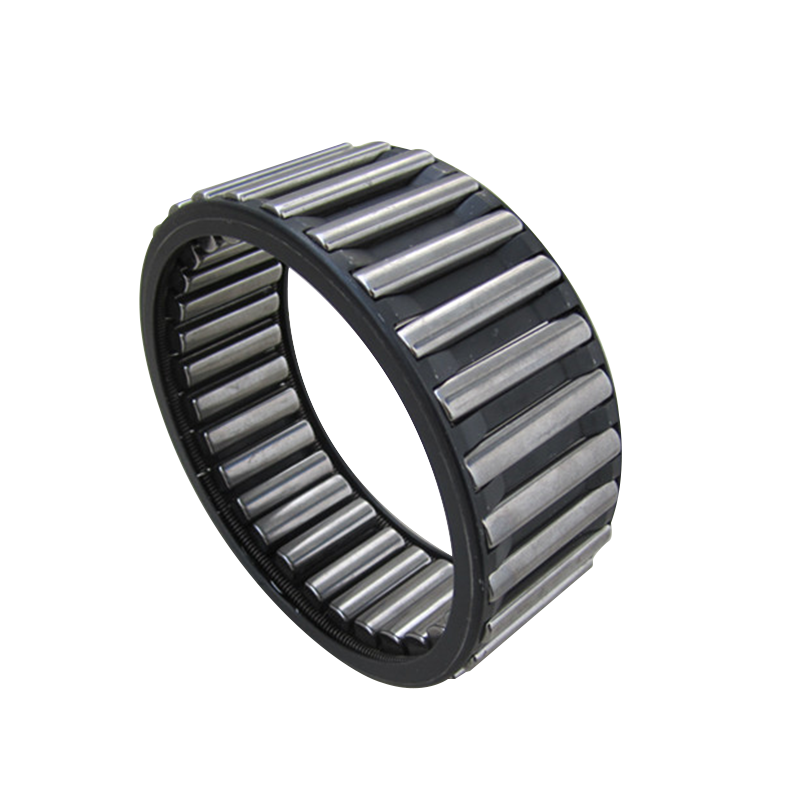
Achieving fault-free indexing and zero-drift material feeding requires an overrunning component with micro-level tolerance control. Upgrading to a premium Synchronized Dual-Cage Freewheel ensures that all locking elements snap into position simultaneously. This instant engagement completely eliminates angular backlash, dampens high-frequency harmonic vibrations, and maintains sub-millimeter feeding accuracy even at ultra-high cycling speeds.
Heavy-Duty Industrial Overrunning Spec Matrix
| Operational Demand | Ideal Structural Choice | Recommended Matrix Feature |
| High-Frequency Indexing | DC / SF Series Cage | Double-cage synchronization for near-zero lag. |
| Heavy Conveyor Backstopping | Heavy Profile (25.4mm+) | Expanded contact width to withstand peak shock loads. |
| High-Speed Overrunning | Centrifugal Lift-off Sprags | Eliminates friction wear completely at high RPMs. |
| Lint/Dust Prone (Textile) | Custom Gap (e.g., FF30) | Specialized internal clearance to prevent debris jamming. |
Critical Maintenance Protocol for Industrial Drives
Step 1: Manage Hydrodynamic Lubrication
Never run precision industrial sprags dry. For high-frequency indexing, use low-viscosity synthetic oils to minimize drag. For heavy-duty backstopping, ensure the assembly is fully submerged in the designated lubricant circuit to dissipate heat.
Step 2: Ensure Secure Lateral Guidance
Cage-only models (such as the SF series) require external axial guidance. Ensure your housing includes precision-machined shoulders or heavy-duty snap rings to prevent the cage from shifting out of its race path during high-speed freewheeling.
Frequently Asked Questions
Q: How does a double-cage design improve fabric or material feed quality?
The dual-cage framework eliminates element “flutter.” Because every sprag element bites at the exact same moment, the mechanical motion is perfectly smooth, preventing the fabric or paper sheets from jerking and tearing.
Q: What is the benefit of “sprag lift-off” in high-speed industrial applications?
When the outer or inner race reaches a specific lift-off RPM, centrifugal force pulls the sprags away from the mating race. This creates a zero-contact freewheeling state, entirely eliminating friction wear and heat.