
4R44E Transmission One-Way Clutch: Convert Hydraulic Torque
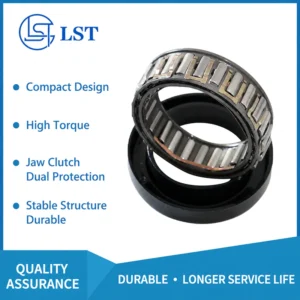
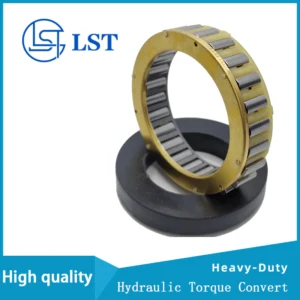
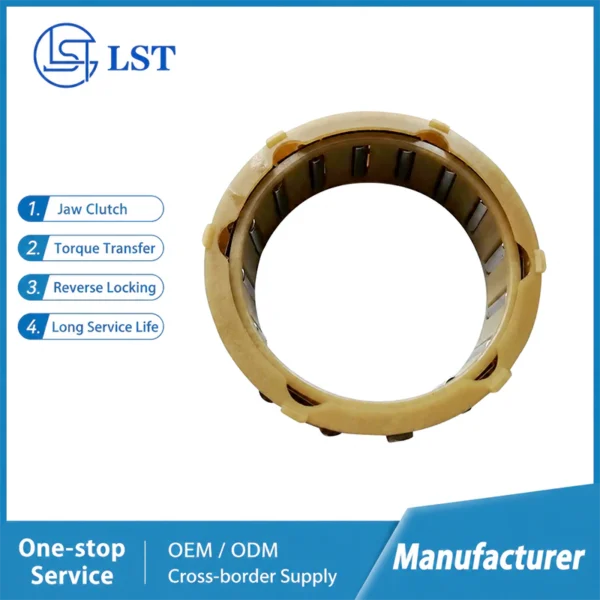
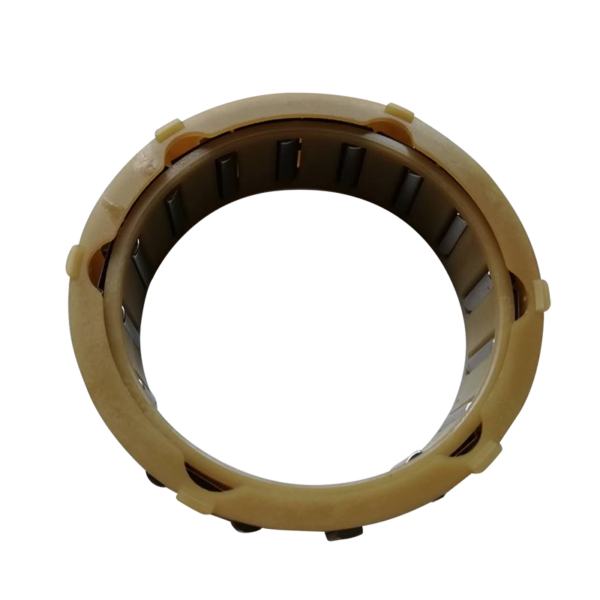
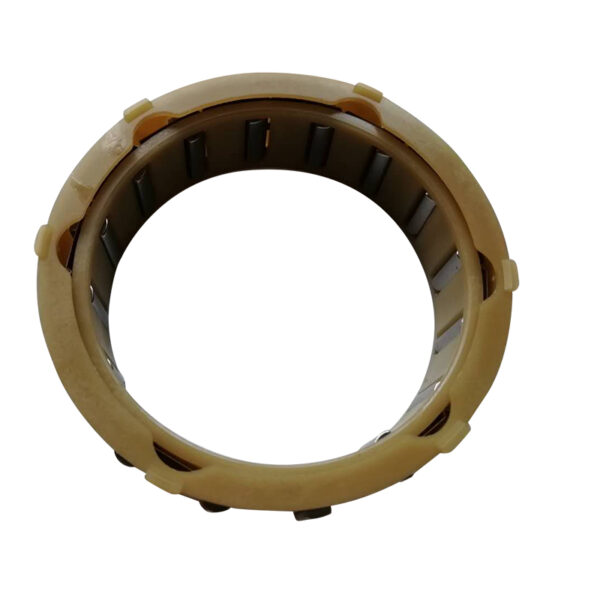
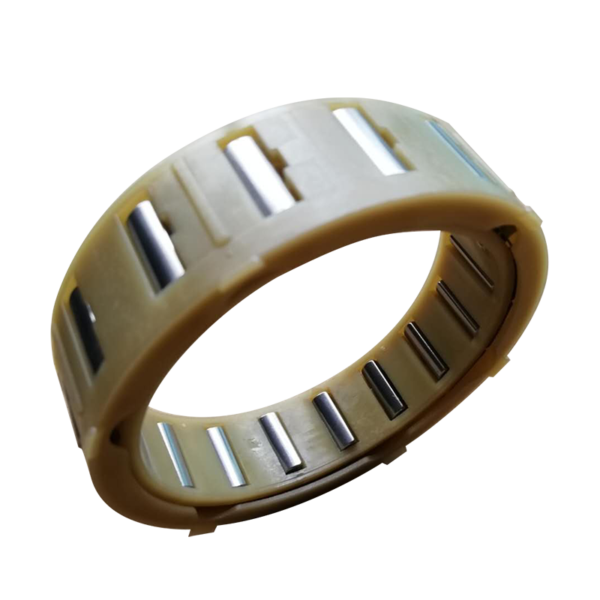
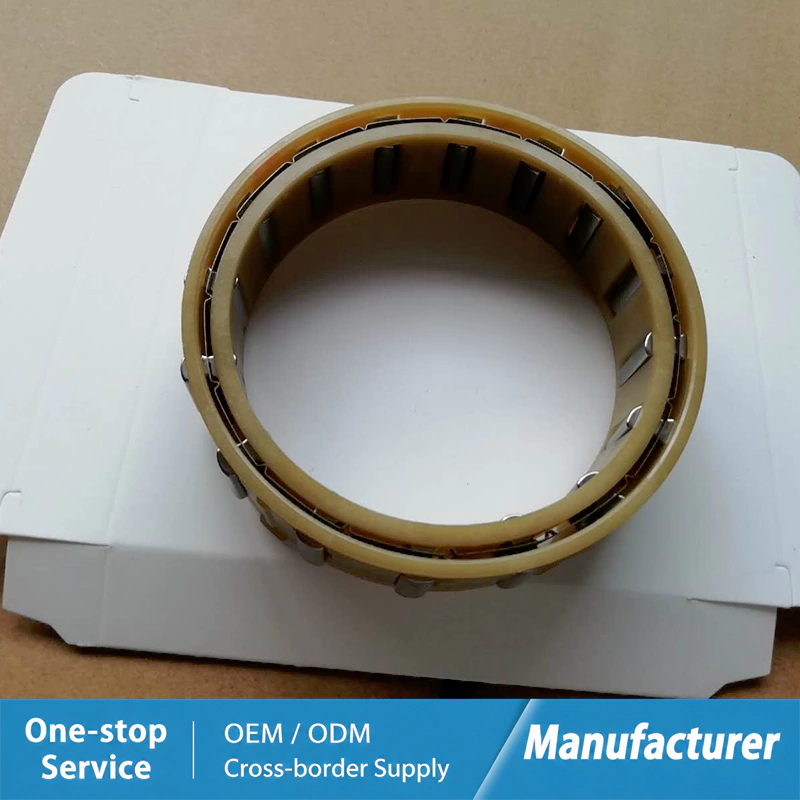
LST 4R44E one-way roller clutch is precision-engineered to convert hydraulic torque into reliable mechanical rotation under demanding driving conditions. Featuring a heavy-duty, high-durability cage assembly and optimal spring calibration, this freewheel component ensures instant reverse locking and zero-slip torque transfer.
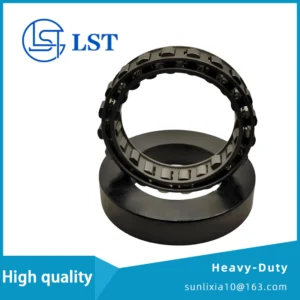
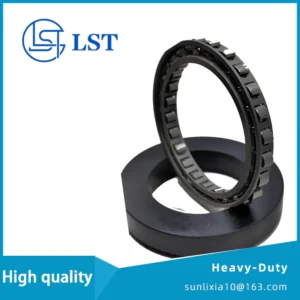
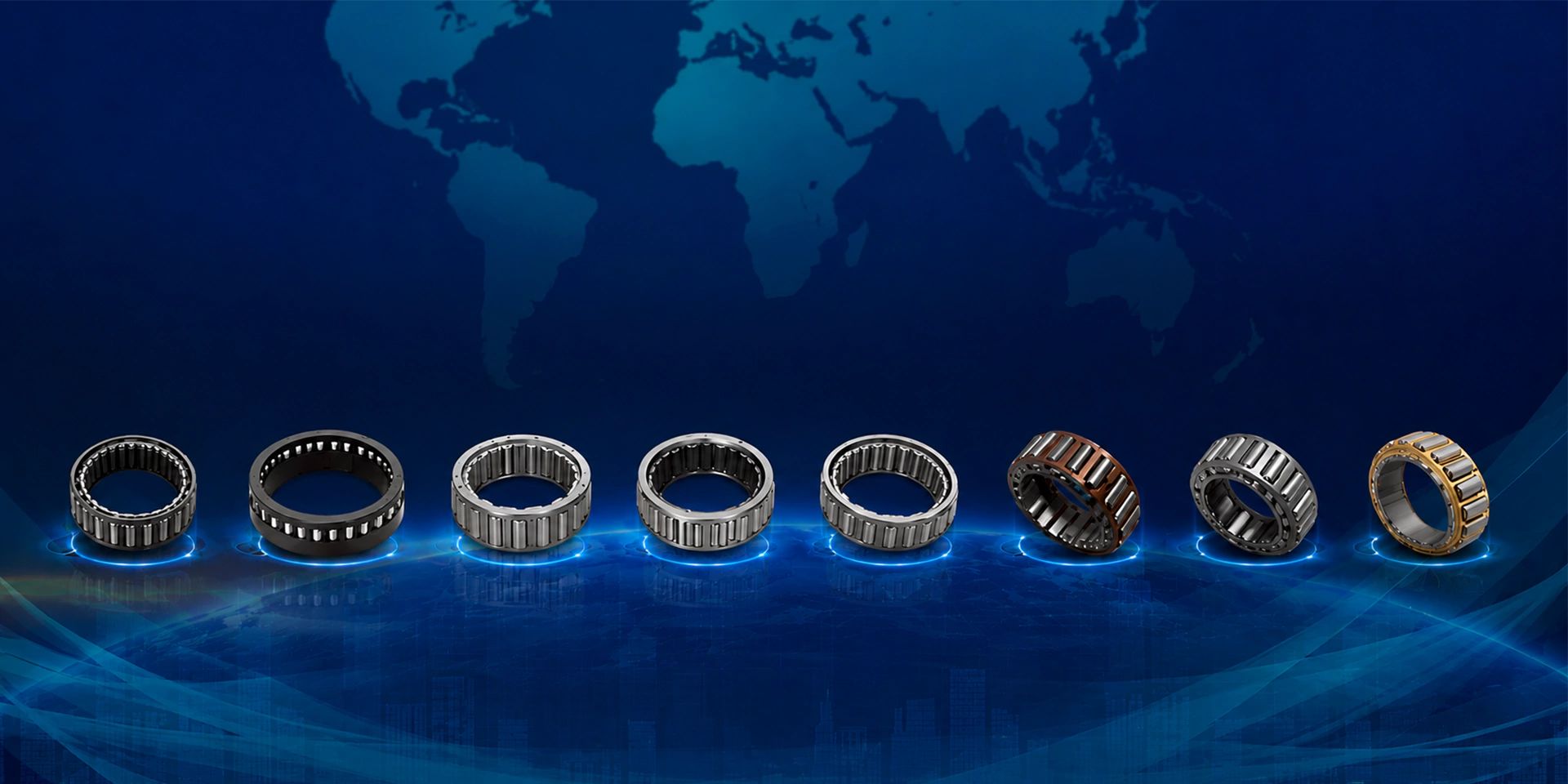
As shown in our manufacturing lineup , our components utilize premium wear-resistant materials and sub-micron geometric tolerance control to maximize service life. Designed for seamless integration into Ford 4R44E automatic transmissions, it offers 100% drop-in interchangeability with OEM parts. This makes it the preferred B2B choice for global transmission remanufacturers and automotive fleet distributors looking to eliminate mechanical slippage, reduce MRO costs, and safeguard their drivetrain supply chains against unexpected downtime.
Recommended Heavy-Duty Transmission Rebuild Tools
| Tool | Why It Helps |
| LST Premium 4R44E Roller Clutch | Features engineered heavy-duty cages for precise torque transfer. |
| Digital Dial Indicator Kit | Measures precise endplay clearances to protect the freewheel mechanism. |
| High-Precision Micrometer | Validates sub-micron race concentricity before final installation. |
| Full-Synthetic ATF | Maximizes wear resistance and extends the service life of internal components. |
Case Study: Fleet Reliability Overhaul
-
Before: A regional courier company operating a fleet of Ford Ranger delivery trucks faced recurring forward gear slippage and high MRO costs due to standard one-way clutch failure under continuous stop-and-go driving conditions.
-
After: The service facility completely upgraded their transmission core builds to LST precision-engineered 4R44E roller clutches.
-
Result: The entire fleet achieved zero-slip torque transfer, successfully surpassing 130,000 miles of severe cyclic loading without a single failure code.
Frequently Asked Questions
Q: What is the main function of the 4R44E one-way clutch?
It acts as a mechanical one-way lock, forcing the fluid energy from the torque converter to translate directly into mechanical rotation during specific gear changes while allowing smooth freewheeling when not engaged.
Q: Can I use the 4L60E components shown in 4L60E -7.webp for a 4R44E build?
No, while they share similar design principles like jaw clutch technology and reverse locking capabilities, each model requires unique, model-specific dimensions to ensure drawing-compliant fitting.
Q: How does LST guarantee the quality of its transmission components?
LST enforces rigid multi-stage quality control and sub-micron tolerance testing. We offer standard wholesale volumes and custom OEM/ODM drawing-compliant parts using premium materials like GCr15 steel.
Ready to Secure Your Drivetrain Supply Chain?
If your distribution network or remanufacturing facility requires zero-defect, drawing-compliant mechanical components, LST offers high-volume OEM/ODM manufacturing for premium freewheels. Our 4R44E one-way clutches feature wear-resistant elements designed to eliminate downtime.