
In high-velocity power transmission systems and heavy-duty automotive drivetrains, mechanical synchronization determines systemic longevity. Whether engineering an advanced multi-stage automatic transaxle or deploying automated high-speed indexing machinery, procurement managers often struggle with micro-angular backlash, early component fatigue, and devastating element rollover.
Selecting the appropriate overrunning component is not merely a purchase—it is a critical engineering decision that dictates mechanical uptime and operational safety. This comprehensive B2B engineering guide breaks down the technical matrices of One-Way Sprag Clutches, DC Series Sprag Freewheels, and Precision Needle Roller Bearings to assist global procurement officers in optimizing their mechanical supply chains.
Section 1: Engineering Fundamentals & Load Parameters
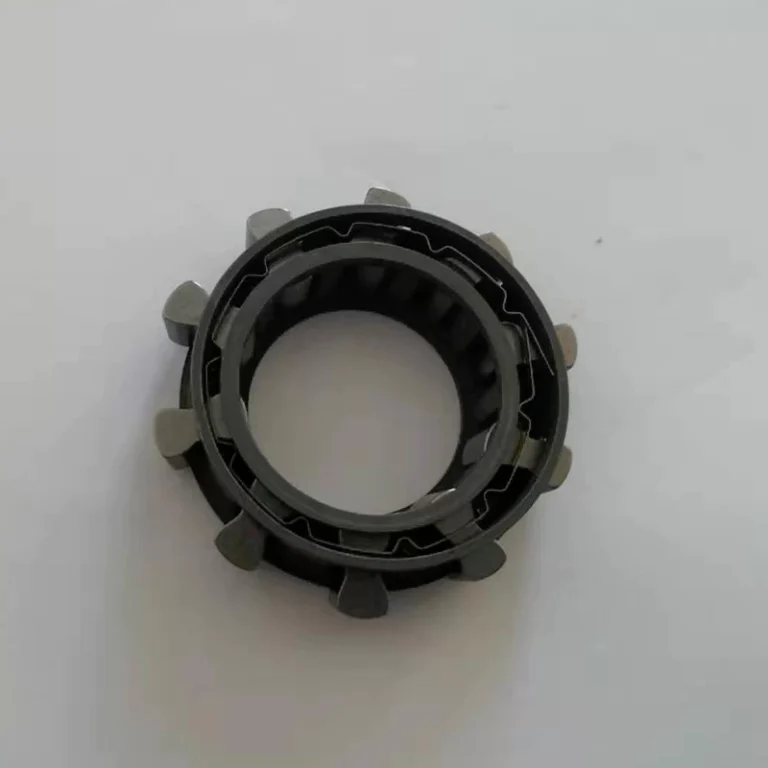
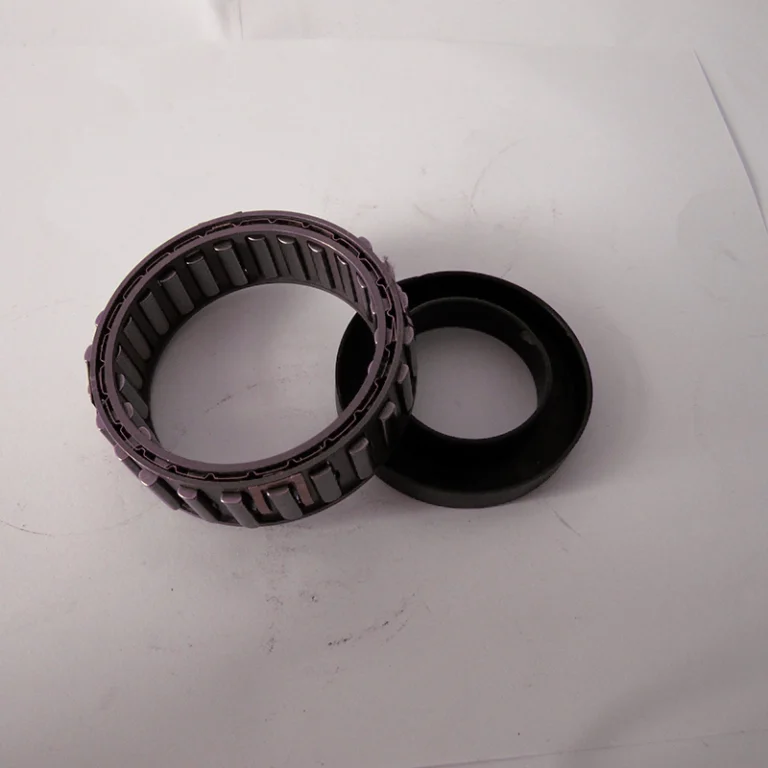
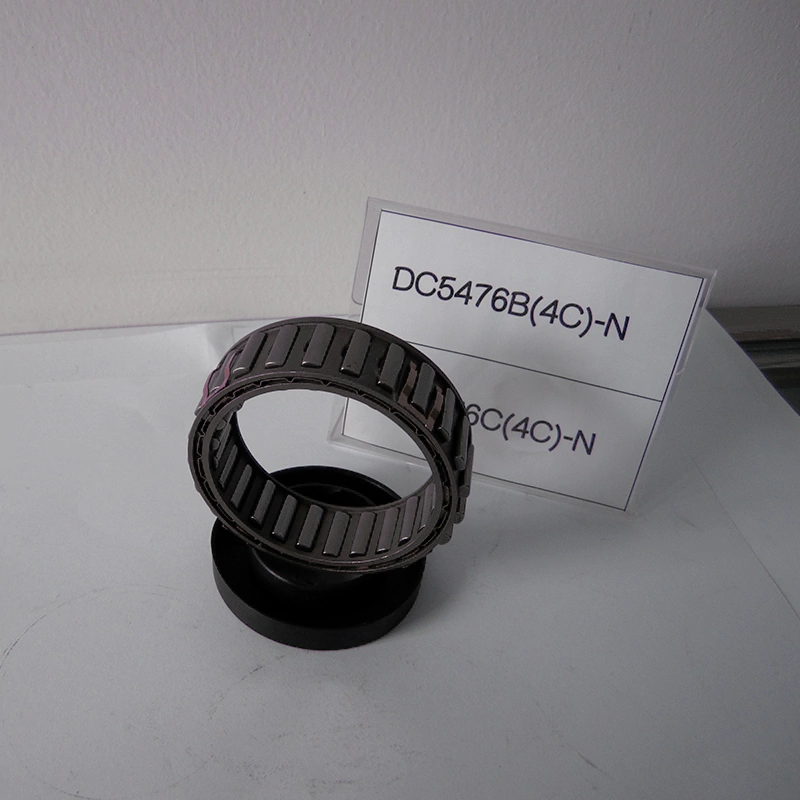
A One-Way Sprag Clutch is a friction-based, bearing-supported or cage-only overrunning device designed to transmit torque in one rotational vector while freewheeling seamlessly in the opposite direction. Unlike standard roller-type alternatives, sprag freewheels utilize precisely contoured, non-cylindrical cams (sprags). When torque is applied, these wedge-shaped elements lock securely between the inner and outer cylindrical races, providing instantaneous engagement with near-zero backlash.
The functional spectrum of these high-precision components spans a diverse operational range:
- Low-Viscosity Hydrodynamic Freewheeling: High-RPM overrunning applications where internal drag torque must be minimized via centrifugal lift-off dynamics to eliminate component friction.
- High-Torque Static Backstopping: Heavy-duty indexing and holdback operations requiring massive torque retention capacity to prevent catastrophic reverse rotation in industrial conveyor systems.
In automotive transaxles, torque converters, starter motors, and automated packaging drives, these components serve as the ultimate mechanical gatekeepers, safeguarding system integrity against unexpected directional reversals.
Section 2: Strategic ROI & Direct Sourcing Mechanics
For global original equipment manufacturers (OEMs) and Maintenance, Repair, and Operations (MRO) networks, sourcing precision transmission components directly from an advanced manufacturing plant in China yields significant economic and strategic benefits. B2B procurement is fundamentally driven by Total Cost of Ownership (TCO) and Return on Investment (ROI). Direct-from-factory sourcing significantly lowers initial Capital Expenditure (CapEx), translating into rapid operational cost recovery.
Strategic Sourcing Value Matrix
| Procurement Factor | Direct Factory Strategic Advantage | Global Market Supply Impact |
|---|---|---|
| CapEx Optimization | Elimination of multi-tiered trading margins; direct access to wholesale factory pricing. | Substantially lowers TCO for machinery builds, maximizing end-user market competitiveness. |
| Drawing-Compliant Engineering | End-to-end ODM customization directly with factory metallurgists and toolmakers. | Eliminates component dimensional mismatch and field-level installation errors. |
| Supply Chain Integration | Seamless production scheduling of paired clutches, cages, and matching needle bearings. | Minimizes assembly-line bottleneck risks and simplifies multi-vendor procurement oversight. |
Section 3: Technical Classifications & Kinematic Applications
Modern industrial and automotive applications require micro-level precision. Current industry trends focus heavily on Hygienic Engineering, advanced surface treatments, and Dual-Cage Synchronization. These advancements ensure every locking cam element within a sprag matrix engages simultaneously, eliminating asymmetric twisting forces.
Component Structure & Application Spectrum
| Machine/Component Type | Primary Industrial Application | Key Advantage & Engineering Accuracy |
|---|---|---|
| Automotive Sprag Clutch | Automatic Transmissions, Torque Converters, Starter Assemblies | Eliminates element rollover under sudden peak torque; Backlash ≤0.1∘. |
| DC Series Sprag Freewheel | High-Frequency Indexing Drives, Winch Overrunning Systems | Dual-cage mechanical synchronization; Dimensional Tolerance ±0.005 mm. |
| Precision Needle Roller Bearing | Radial Load Support paired alongside One-Way Clutches | Extreme radial load capacity within compact spaces; Runout accuracy within ≤2 μm. |
Section 4: Hardcore Trust & Metallurgy Standards
Component durability depends entirely on material science and strict adherence to international manufacturing standards. Premium mechanical components are forged exclusively from premium Vacuum-Degassed GCr15 Bearing Steel. This material undergoes rigorous multi-stage induction hardening and tempering to achieve a definitive core-to-surface hardness of 60 to 64 HRC. This precise level of hardness is critical for resisting surface fatigue and micro-pitting under millions of cyclic locking impacts.
To ensure global interchangeability and absolute operational safety, premium manufacturing facilities back their production with globally recognized certifications.
Quality Assurance & Certification Standards
| International Certification | Operational Target Validated | Why It Matters for Global B2B Buyers |
|---|---|---|
| IATF 16949 | Automotive Automotive Quality Management Systems | Crucial for Tier-1 automotive transmission remanufacturers and assembly plants. |
| ISO 9001:2015 | Global Manufacturing Quality Control Consistency | Guarantees that batch number 10,000 matches the sub-micron dimensions of the approved sample. |
| RoHS / REACH | Environmental Chemical & Material Compliance | Secures smooth customs clearance into highly regulated European and North American markets. |
Furthermore, premium assemblies integrate world-class internal components—such as specialized spring steels and high-grade synthetic cages—ensuring easy cross-compatibility with global brands like Siemens or Omron control drives in complex automation systems.
Section 5: Buyer Sourcing & Risk Mitigation Guide
Navigating the procurement of critical power transmission components requires strict risk management protocols. To safeguard your supply chain, prioritize these three engineering checks during the sourcing process:
1. Remote Technical Audits & Micro-Geometry Validation
When on-site factory inspections are restricted, demand a comprehensive live video engineering audit. Focus the camera on the quality control lab’s Coordinate Measuring Machines (CMM) and digital roundness testers. Ensure the facility documents sub-micron geometric tolerances across inner/outer race paths.
2. Rigorous Factory Acceptance Testing (FAT) via Torque Rigs
Never authorize a volume shipment without a certified FAT report. Buyers should send precise shaft and housing mating samples to the factory prior to production. The manufacturing facility must run the finished clutches on custom dynamic torque testing rigs, recording both the slip-torque limits and the drag-torque coefficients on video.
3. Industrial Preservation & Heavy-Duty Packaging
Precision GCr15 steel is highly susceptible to atmospheric moisture oxidation during long ocean transits. Ensure your contract specifies the application of premium industrial anti-rust oils. All components must be vacuum-sealed in heavy-duty polymer bags and packed in robust, export-standard wooden crate packaging with integrated desiccant packs to withstand maritime moisture and cargo shifting.
Ready to Optimize Your Power Transmission Performance?
Don’t let unexpected component slippage or premature wear compromise your machinery’s efficiency. Partner with an industry-leading manufacturer dedicated to drawing-compliant precision engineering.
Explore our extensive collection of field-tested operations via our [Related Case Studies] to see how we help global automotive and industrial clients secure zero-slip torque transfer. Alternatively, contact our engineering advisory desk directly today to [Request a Custom Power Transmission Proposal] tailored precisely to your technical drawings and volume requirements.